
Looking for the best rhinoplasty surgeon in Ahmedabad? Achieve a natural, balanced look with HD PLUS. View before & afters and schedule your consultation today.
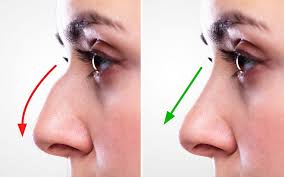
Rhinoplasty, commonly known as a “nose job,” is one of the most transformative cosmetic facial procedures. Whether you want to refine your aesthetic appearance or correct a functional breathing issue like a deviated septum, Dr Hardik Patel provides personalized surgical plans to achieve natural-looking results.
Why choose HD PLUS for Rhinoplasty ?
Choosing a board-certified plastic surgeon is the first step toward a safe and successful outcome. Our practice combines surgical precision with an artistic eye to ensure your new nose complements your unique facial features.
Here’s why people puts their trust in Dr. Hardik Patel:
- Board certification in Plastic Surgery
- Two-time recipient of the Gold Medal By Honorable Governor of Gujarat: Awarded in 2016 & 2020 for his out standing achievements.
- Hundreds of successful rhinoplasties and other advanced cosmetic surgeries that define HD PLUS.
- Dr Hardik Patel is Member of Prestigious Rhinoplasty Society of India & Indian Association of Aesthetic Plastic Surgeon.
With nearly one decade of specialized rhinoplasty experience, Dr. Hardik blends cosmetic surgical mastery with a completely customized technique, making him the go-to expert for locals and international patients alike.
“Don’t just dream of a better nose—make it a reality with Dr. Hardik Patel.”




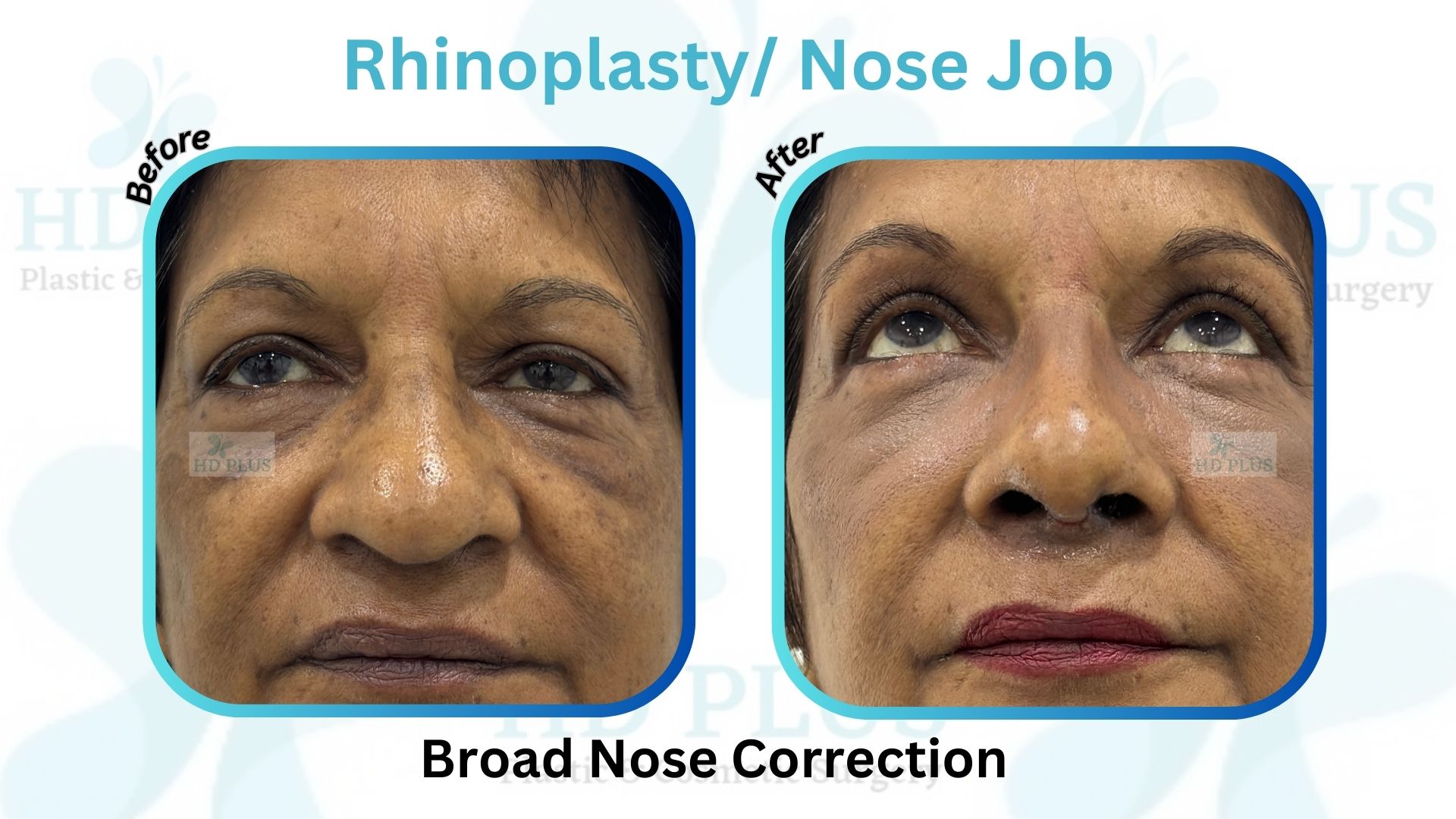
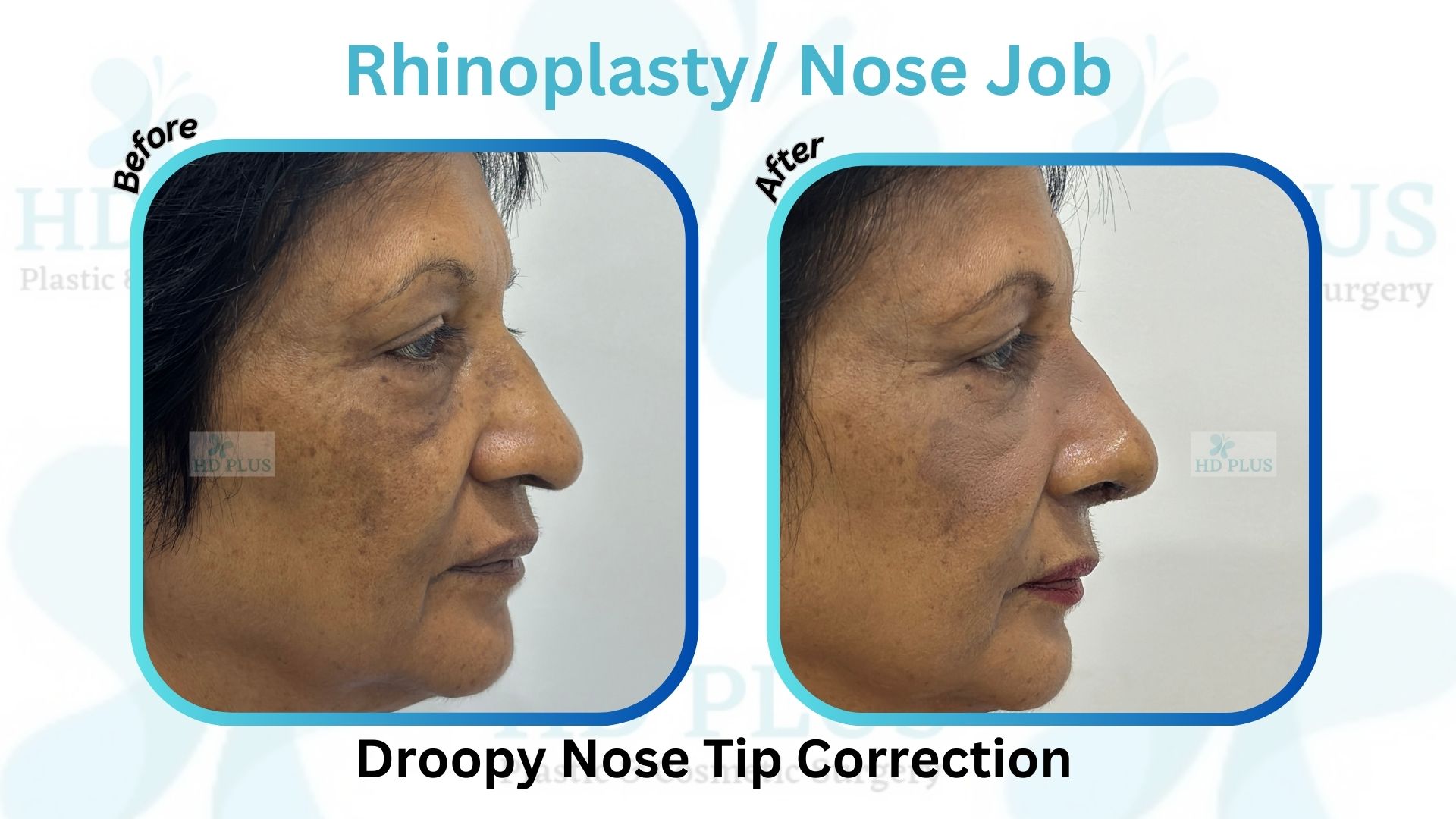
Why Choose HD PLUS for Rhinoplasty Surgery?
- Dr Hardik Patel is Highly Qualified [MBBS, MS (Gold Medalist), MCh (Gold Medalist)] Board Certified Super Specialist Plastic And Cosmetic Surgeon with Experience of Over 9 Years!
- People from All Over India and many Foreign Countries like USA, UK, Australia, New Zealand, Canada, Middle East Countries like Dubai, Kuwait African Countries, Indonesia, Philippines etc. have visited to HD PLUS for Rhinoplasty and Cosmetic Plastic Surgeries By Dr Hardik Patel at Ahmedabad, Gujarat, India.
Rhinoplasty Testimonial
International Clients:
“Watch a patient from the UK share her journey and 6-month post-op rhinoplasty results with Dr. Hardik Patel at HD PLUS in Ahmedabad.”
From Nairobi to Ahmedabad: A happy rhinoplasty client from Kenya shares her transformative journey. Dr. Hardik Patel specializes in preserving natural ethnic harmony while refining nasal width and tip definition for African features
Rhinoplasty Awareness: What to Know Before a Nose Job | Dr. Hardik Patel
Am I the ideal Candidate For Rhinoplasty Treatment?
- The right person for rhinoplasty is someone who is unhappy with the appearance of their nose and has specific concerns, such as correcting a nasal hump, reshaping the nasal tip, or improving overall symmetry.
- Also, the individual should be healthy, not smoking, and have realistic expectations about procedure outcomes.
What can be Corrected in rhinoplasty Surgery?
Patients choose rhinoplasty for a variety of concerns, including:
- Nasal tip reshaping (bulbous, drooping, or upturned tip)
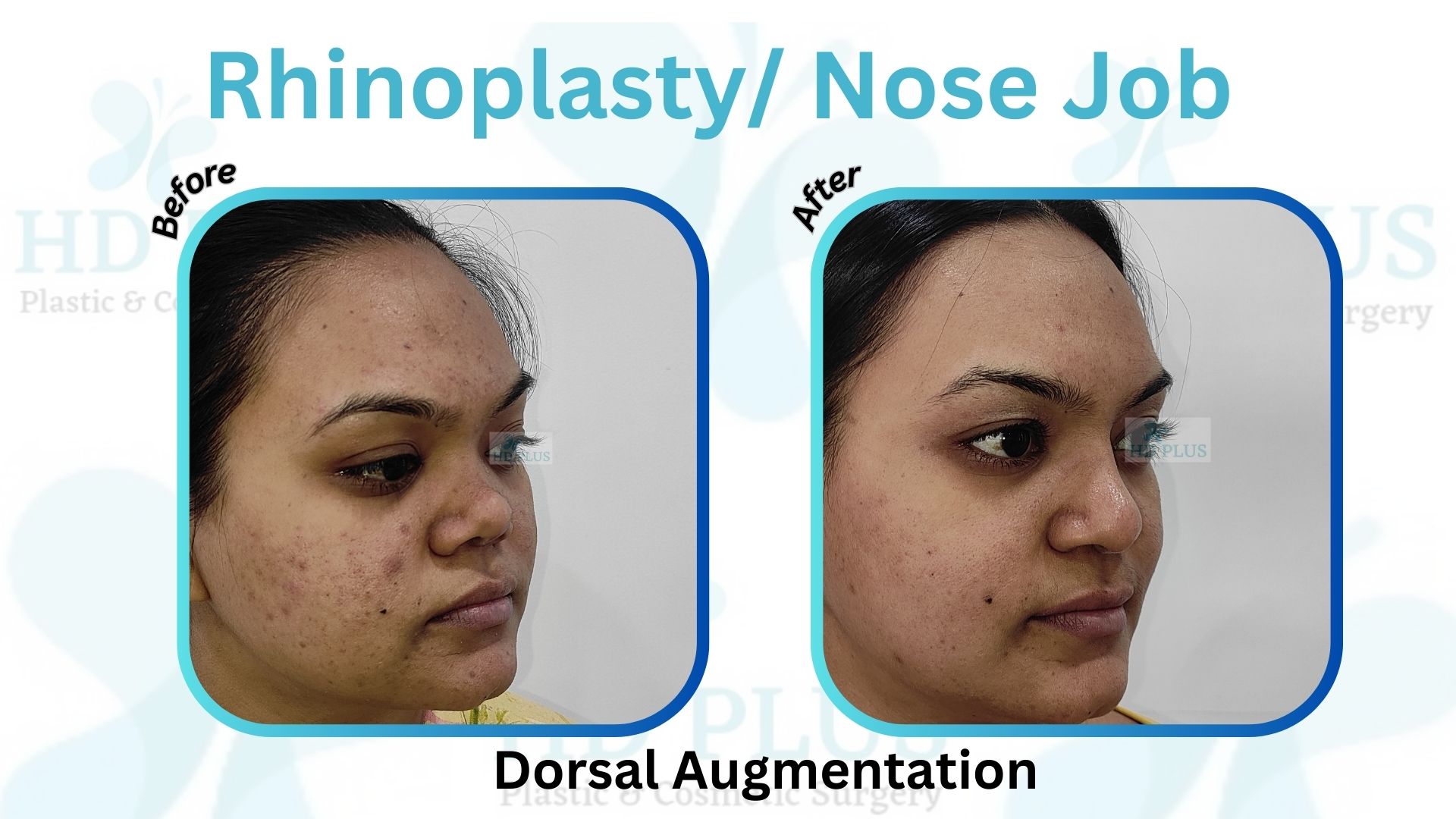
- Dorsal hump or flat nasal bridge
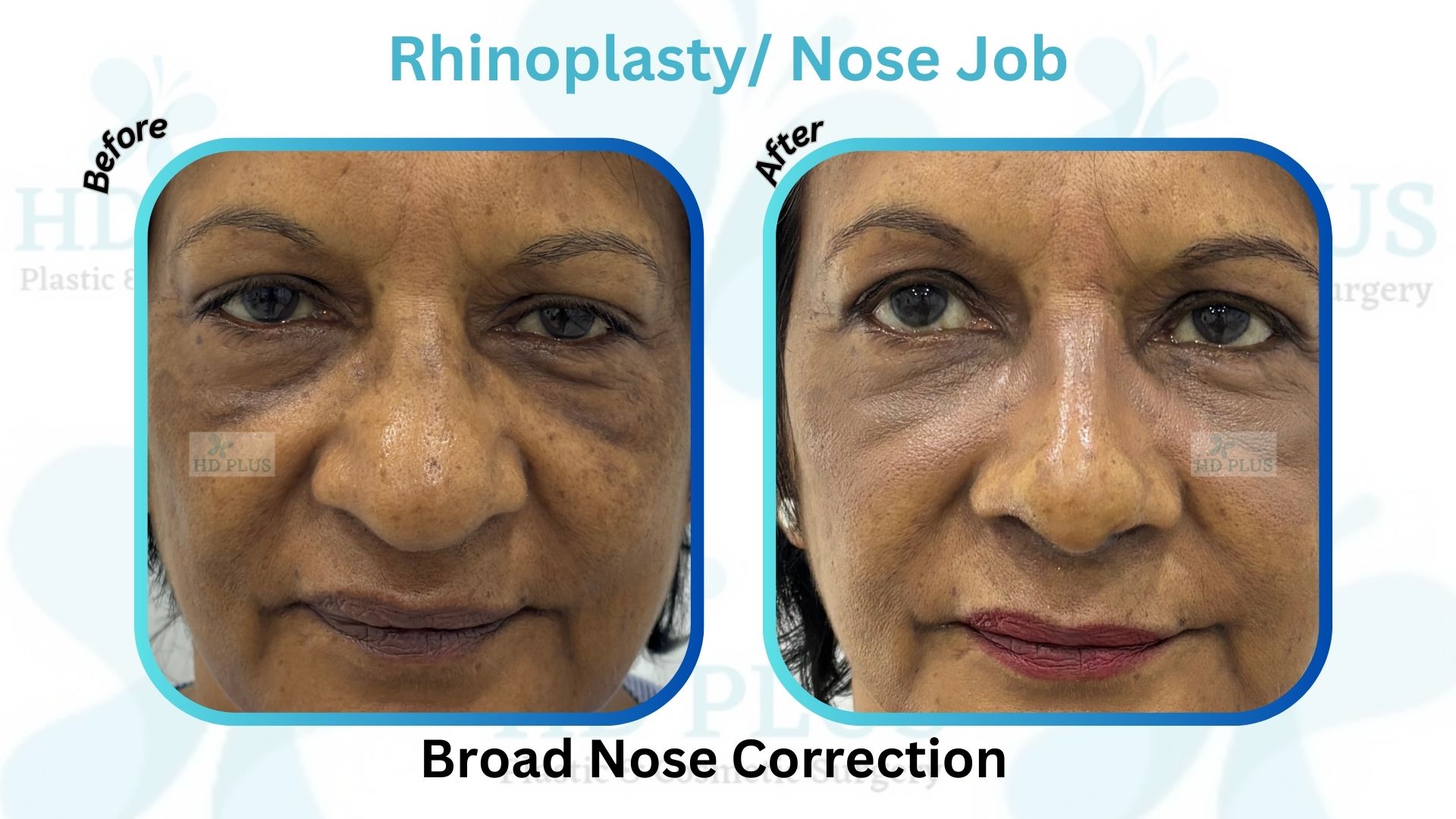
- Nostril asymmetry or flaring
- Over- or under-projected nose
- Deviated septum or airway obstruction
What to Expect During a Rhinoplasty Procedure ?
1. Anesthesia Administration
- Usually, general anesthesia is given so you’ll be asleep and pain-free.
- In some minor cases, local anesthesia with sedation may be used.
- The anesthesiologist monitors your vitals throughout the procedure.
2. Incision Type
The surgeon will choose between two main types of incisions:
- Closed Rhinoplasty: All incisions are made inside the nostrils, leaving no external scar. This is preferred for minor reshaping.
- Open Rhinoplasty: A small incision is made across the columella (the tissue between the nostrils). This gives better visibility and control, ideal for major reshaping or revision procedures.
3. Reshaping the Nose Structure
Depending on the patient’s goals:
- Bone Work: The nasal bones may be shaved down, fractured (osteotomy), and repositioned to improve the profile or correct a crooked nose.
- Cartilage Work: Cartilage from the septum, ear, or rib may be removed, reshaped, or added for tip refinement, nasal length, or bridge augmentation.
- Septoplasty (if needed): If breathing issues are present, the deviated septum will be straightened.
4. Correcting the Nasal Tip
- Tip refinement is done using sutures, cartilage grafts, or shaving excess tissue.
- This ensures a natural, symmetric nasal tip that matches your facial structure.
5. Closing the Incisions
- Internal stitches are absorbable and dissolve on their own.
- External stitches (used in open rhinoplasty) are safely removed in 5–7 days.
- Splints may be placed inside the nose and a nasal cast outside to maintain its new shape.
6. Procedure Duration
- The surgery typically lasts between 1.5 to 4 hours, depending on the complexity.
- You’ll rest in the recovery room for 1–2 hours before being discharged (for day-care cases).
7. Immediate Post-Op Expectation
- A nasal splint or cast is applied to protect the new structure.
- Nasal packing may be used for 1–2 days.
- Mild swelling and light bleeding are entirely expected and normal.
Rhinoplasty Recovery Timeline
(Average timeline — individual recovery may vary based on technique and healing response)
Day 1–2: Immediate Post-Surgery
- Symptoms: Expect swelling, bruising, and mild nasal bleeding. Airway packing means breathing through the nose will be difficult.
- Management: Discomfort is easily managed with your prescribed medications.
- Patient Tip: Keep your head elevated at all times and use cold compresses around the eyes.
Day 3–7: Initial Healing
- Symptoms: Bruising around the eyes peaks and begins to fade. Swelling starts to reduce after Day 5.
- Milestone: External stitches (if non-dissolvable) are typically removed at the clinic.
- Patient Tip: Do not blow your nose and strictly avoid any strenuous activity.
Day 7–10: Visible Improvements
- Milestone: The nasal splint and internal packing are safely removed by Dr. Patel.
- Activity: You can resume light, non-strenuous daily activities. Most social bruising will subside, though minor swelling remains.
Week 2–4: Back to Normal Routine
- Symptoms: Major swelling resolves by the 3rd to 4th week. Mild swelling may still persist at the nasal tip.
- Activity: You can return to work, school, and normal routines. Light exercise can usually resume after surgeon approval.
Month 2–3: Refining the Contour
- Changes: The nose begins to refine noticeably in shape and contour as internal tissues settle. Minor numbness or stiffness at the tip is normal and continues to improve.
Month 6–12: Final Aesthetic Results
- Outcome: Full healing of internal tissues is complete. The nasal tip becomes refined and completely natural, and all swelling disappears.
- Follow-up: A routine follow-up with your surgeon is recommended at the 6-month and 1-year marks.
What to Avoid During Recovery
- Resting glasses directly on the nasal bridge (for 4–6 weeks)
- Smoking and alcohol consumption
- Direct sun exposure (to prevent darkening of incision scars)
- Swimming, dusty environments, and heavy gym lifting until cleared
What are the benefits of Rhinoplasty Surgery ?
1. Improved Appearance:
Rhinoplasty can enhance the shape, size, and proportion of the nose, creating a more balanced and aesthetically pleasing facial profile.
2. Boost in Self-Confidence:
Correcting perceived nasal imperfections through rhinoplasty can significantly increase self-esteem and confidence in one’s appearance.
3. Correction of Nasal Trauma:
Rhinoplasty can address nasal deformities or structural issues resulting from injury or trauma, restoring both function and aesthetics.
4. Enhanced Breathing:
In cases where nasal obstruction or breathing difficulties exist, rhinoplasty can improve nasal airflow and overall respiratory function.
5. Personalized Results:
Rhinoplasty is a customizable procedure, allowing patients to achieve their desired nasal shape and contour while maintaining natural-looking results.
6. Long-Lasting Results:
When performed by a skilled surgeon, rhinoplasty can provide permanent enhancements to the nose, leading to lasting satisfaction.
7. Overall Facial Harmony:
A well-performed rhinoplasty can contribute to better facial symmetry and harmony, complementing other facial features.
8. Psychological Well-Being:
The positive changes in physical appearance and self-image following rhinoplasty can have a significant impact on mental well-being and overall quality of life.
It is essential for individuals considering rhinoplasty to Consult with a Qualified Plastic Surgeon to discuss their goals, expectations, and potential outcomes of the procedure.